Smart glasses are moving into the mainstream in 2026, but they are not about to replace your phone. Camera-equipped glasses can capture hands-free video, play audio, and offer voice-based AI tools, and their sales are growing fast. The catch is that useful features, polished software, and comfortable everyday wear are still very different things. If you are wondering whether this is finally the year to buy a pair, here is what actually matters.
Affiliate Disclaimer
This website participates in affiliate programs. We may earn a commission
when you purchase products through links on this page, at no additional
cost to you. Our recommendations are based on independent research and
honest opinions.
My take is simple: smart glasses now make sense for specific jobs, especially hands-free recording and audio. For most people, though, they remain an optional accessory rather than a daily essential. Let’s separate the progress you can use from the promises that still need proof.
The 2026 Smart Glasses Boom Is Real, With Some Limits
There is solid evidence behind the excitement. Research firm Omdia estimated that 8.7 million AI glasses shipped worldwide in 2025, up 322% from the previous year. Counterpoint Research reported a further 263% year-over-year jump in global AI glasses shipments during the first half of 2026. Those figures cover particular market categories, not every pair of connected eyewear, but the direction is hard to miss.
Still, that growth does not mean everyone is wearing a tiny computer screen. Counterpoint says display-less AI glasses made up about 96% of AI glasses shipments in the first half of 2026. In plain English, the popular form is closer to sunglasses with a camera, speakers, microphones, and a phone connection than a science-fiction display floating in front of your eyes.
Meta helped make the category recognizable through Ray-Ban-branded glasses, and competitors are now offering options at different prices. That is progress, but a growing market and a product being right for your life are two separate questions.
What Smart Glasses Can Actually Do for You Today
The best reason to wear smart glasses is convenience. You can capture what you are seeing without pulling out your phone, or hear a notification while keeping your hands free. Those are modest improvements on paper, yet they can feel useful during a walk, a cooking demonstration, or a trip.
- Hands-free photos and video: useful for quick point-of-view clips, although stabilization, camera quality, and recording limits vary.
- Open-ear listening and calls: handy when you want audio without sealing off your surroundings, but nearby people may hear sound at higher volume.
- Voice assistants and object descriptions: potentially helpful for quick questions, but accuracy depends on the hardware, app, language, and connection.
- Translation assistance: useful for simple travel exchanges, but latency and errors can make it unreliable for important conversations.
Most of these features still depend on a companion smartphone app. You should also check whether the glasses have a display at all. A listing that says “AI glasses” does not automatically mean you will see translated captions or floating navigation inside the lenses.
Why Smart Glasses Still Have Some Everyday Problems
The most noticeable weakness is that smart glasses must function as eyewear first. If the frame feels heavy, pinches your nose, or looks wrong on your face, extra features will not fix that. Battery life is another practical limit, especially if you record video often or keep voice features active throughout the day.
Software matters just as much as hardware. You may need a particular app for translation or object recognition, and some features can depend on cloud processing, subscriptions, permissions, or a steady data connection. Before buying, I would check the app name, recent updates, supported phones, and return policy rather than trusting the feature list alone.
Privacy is the bigger social issue. A person near you may not realize your glasses have a camera, and recording without permission can cause problems even when it is technically possible. The European Data Protection Board raised concerns about smart glasses in October 2026, particularly in sensitive places such as schools, hospitals, and workplaces. Ask permission when appropriate and respect posted recording restrictions.
The Difference Between Budget AI Glasses and Established Brands
Low-cost smart glasses often advertise an impressive bundle: 4K video, real-time translation, object recognition, Bluetooth calls, and open-ear audio. That sounds appealing, but the number of claims does not tell you how well the features work together. A 4K label alone says little about low-light quality, frame rate, stabilization, or whether the output is interpolated.
Established ecosystems tend to have clearer software support and more public information, although they usually cost more. Budget devices may be perfectly reasonable for experimenting, but I would approach them as a feature trial until independent testing establishes their strengths. You can save money without assuming a listing has solved every problem in the category.
Two Accessible Smart Glasses Options Worth Looking At
If you are curious enough to try smart glasses, it makes sense to compare the experience you are buying rather than just counting features. The two Amazon listings below illustrate different price points within the camera-and-AI style of eyewear. I have not personally tested either pair, so I am treating the advertised capabilities as seller claims, not verified performance results.
1
2026 AI Smart Glasses Review: A Higher-Priced Feature Trial
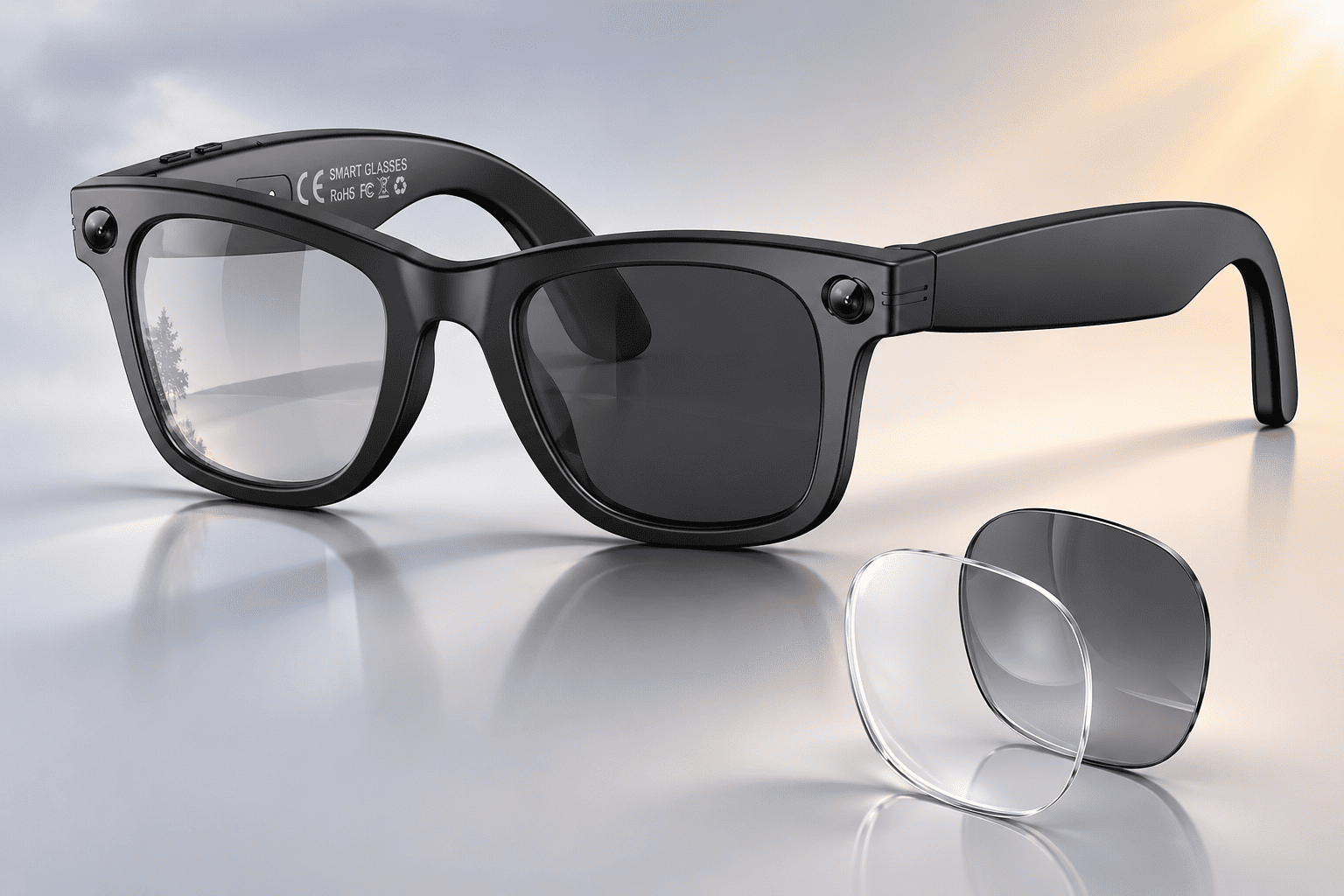
2026 AI Smart Glasses with Sunglasses and Photochromic Lenses are advertised as a camera-equipped option with 4K HD video and photo capture, translation, AI assistance, open-ear audio, and object recognition. The supplied listing price is $189.99, putting them well above the cheapest experimental pairs. What catches my attention is the combination of sunglasses and photochromic lens options, which could matter if you want to wear them in changing light.
That package sounds useful for travel, casual recording, or checking out voice-led features without committing to a larger eyewear ecosystem. You could imagine taking a first-person clip while sightseeing, listening to spoken guidance, or trying a basic translation feature. Just do not assume those scenarios will work smoothly from the specification list alone. Actual performance will depend on the mobile app, connectivity, battery, camera processing, and supported languages.
For this price, I would want clearer answers about continuous video recording time, replacement lenses, whether the glasses provide any visual display, and how your data is stored. I would also check if “4K” refers to native captured video and look for sample footage taken by independent owners. Product pages sometimes focus on headline resolution while overlooking audio quality, motion blur, and how quickly a camera drains the battery.
I see these glasses as a possible choice if the lens flexibility is important and you are comfortable taking a chance on a less established product. They are harder to recommend if you expect dependable translation for work or need polished hands-free recording every day. At $189.99, a generous return window and reliable customer support matter nearly as much as the hardware.
- Best fit: someone interested in sunglass-style camera glasses who values the listed lens options and can verify the app and return terms.
- Main caution: the advertised 4K video and AI features are not independent proof of image quality, translation accuracy, or software longevity.
2
AI Smart Glasses with Camera Review: A Lower-Cost First Try

AI Smart Glasses with Camera and Transparent Lenses offer a less expensive route into the same general idea. The supplied Amazon price is $79.99, and the listing advertises 4K video, real-time translation, an AI assistant, object recognition, open-ear speakers, and Bluetooth calls. Clear lenses also make the style more suitable for indoor wear than dark sunglasses, assuming the fit feels comfortable.
At this price, I would think of the glasses as a way to test whether hands-free capture and wearable audio fit your routine. You might use them for quick clips, phone calls, or basic AI experiments while walking around. If you discover that you hardly ever use those features, you will have spent considerably less than you would on a more expensive pair.
There is a tradeoff, though. The listing presents a broad feature set, but I cannot verify its recording quality, long-term app support, or translation reliability from those claims. One third-party catalog identifies this model as having no display, which would mean translations and other information may be delivered through audio or an app rather than appearing in front of your eyes. Confirm that on the current product page before ordering.
I would pay close attention to the glasses’ battery rating, voice pickup on a windy street, whether calls leak sound, and exactly which phone app they require. These smaller details can decide whether a wearable becomes useful or ends up in a drawer. A low price is appealing, but it is still wasted money if the core feature you need does not work consistently.
- Best fit: a curious first-time owner who wants to try camera-and-audio smart glasses with a smaller initial spend.
- Main caution: check app availability, display expectations, privacy settings, and real customer footage before treating the advertised specifications as proven.
The Buying Questions I Would Settle Before Ordering
For either pair, I would start with one specific activity. Maybe you want to film short travel clips without holding a phone, or perhaps you want audio directions without earbuds. That gives you a way to judge whether the glasses are useful, instead of buying a long feature list you may never touch.
- Camera output: look for unedited samples in daylight and indoors, not just a 4K badge.
- Battery and charging: check realistic recording time, standby behavior, and whether a case provides extra power.
- Software and language support: confirm the companion app, supported phones, AI service availability, and translation language pairs.
- Fit and lenses: consider weight, prescription options, UV protection claims, and replacement policies.
- Privacy controls: identify the recording indicator, microphones, permissions, data retention practices, and how to delete recordings.
- Returns and warranty: this is particularly important when product documentation and independent reviews are limited.
One more point: smart glasses are not all in the same category. Display glasses for watching a virtual screen and augmented-reality eyewear with visible digital overlays serve different purposes from the camera-and-speaker models discussed here. Check that difference before comparing prices.
So, Are Smart Glasses Really Mainstream in 2026?
I would say smart glasses have reached mainstream awareness and meaningful sales, but everyday adoption is still developing. The rapid shipment growth is real, and the basic camera, audio, and voice-assistant format now has a clear audience. What has not happened is a universal switch from phones to glasses, or a guarantee that every affordable AI model delivers the experience its listing promises.
If you mainly want to experiment, the $79.99 transparent-lens option is the more cautious financial starting point, provided its app and return policy check out. If you specifically want the sunglass and photochromic lens package, the $189.99 listing might be worth comparing, but I would want more independent evidence before paying extra. For dependable daily use, prioritize verified software support, comfort, and privacy over eye-catching feature claims. That is where smart glasses will either earn their place in your routine or remain a fun gadget.