Earbuds are convenient, portable, and comfortable for many people, but not everyone has the same experience. If your ears start aching after 20 or 30 minutes of listening, you’re definitely not alone. Ear pain is one of the most common complaints among earbud users, and the good news is that it usually has a simple explanation.
Affiliate Disclaimer
This website participates in affiliate programs. We may earn a commission
when you purchase products through links on this page, at no additional
cost to you. Our recommendations are based on independent research and
honest opinions.
In most cases, the problem isn’t that earbuds are inherently bad for your ears. Instead, it’s often caused by poor fit, incorrect ear tip size, extended listening sessions, or wearing earbuds that simply don’t match the shape of your ears. In this guide, I’ll explain the most common reasons earbuds cause discomfort, how to fix each issue, and when it may be time to switch to a different style of earbuds.
Is It Normal for Earbuds to Hurt?
A little discomfort during the first few uses can be normal, especially if you’re switching to a different earbud design. However, earbuds should never cause ongoing pain.
If your ears hurt every time you wear them, your earbuds probably don’t fit correctly or aren’t designed for your ear shape.
Persistent pain, soreness, or pressure is a sign that something needs to change.
The Most Common Reasons Earbuds Hurt Your Ears
There isn’t a single cause of ear pain. Instead, several small factors often work together.
Let’s look at the biggest reasons.
1. The Ear Tips Are the Wrong Size
This is by far the most common issue.
Many people immediately use the medium ear tips that come preinstalled, but those aren’t necessarily the best fit.
If the tips are too large, they create excessive pressure inside your ear canal.
If they’re too small, the earbuds won’t stay secure, causing you to constantly push them deeper into your ears.
Neither situation is comfortable.
How to Fix It
Most earbuds include multiple silicone tip sizes.
Try every size before deciding which feels best.
A properly fitting ear tip should:
- Stay in place without constant adjustment.
- Create a gentle seal.
- Feel secure without pressure.
- Remain comfortable for extended listening.
Sometimes switching just one size smaller completely eliminates ear pain.
2. You’re Pushing the Earbuds Too Deep
Many people assume earbuds should sit deep inside the ear canal.
They shouldn’t.
Inserting them too far increases pressure on sensitive areas of the ear while also trapping heat and moisture.
Ironically, pushing earbuds deeper rarely improves sound quality. It usually just makes them less comfortable.
How to Fix It
Insert the earbuds gently until they feel secure.
If they’re falling out, try a different ear tip size rather than forcing them deeper.
A proper fit should feel stable without creating pressure.
3. Your Ear Shape Doesn’t Match the Earbuds
Every person’s ears are slightly different.
Some people have narrow ear canals, while others have larger outer ears or different ear canal angles.
That’s why earbuds that feel perfect for one person may become painful for someone else after only a few minutes.
Manufacturers design earbuds to fit the average ear, but no single shape works for everyone.
4. Wearing Earbuds for Too Long
Even perfectly fitting earbuds can become uncomfortable after several hours.
Your ears aren’t designed to have constant pressure inside the ear canal all day.
Long listening sessions may cause:
- Ear fatigue
- Mild soreness
- Warmth inside the ear
- Pressure buildup
This doesn’t necessarily mean the earbuds are poor quality.
How to Fix It
A simple habit can make a big difference.
Try removing your earbuds every hour for five to ten minutes.
Giving your ears regular breaks helps relieve pressure and reduces irritation.
5. The Earbuds Are Too Heavy
Larger wireless earbuds often contain bigger batteries, multiple microphones, and active noise-cancelling hardware.
While these features are useful, they also increase weight.
Heavier earbuds can gradually pull against your ears, especially during walking or exercise.
Over time, this constant movement may lead to soreness around the outer ear.
6. Allergic Reactions to Ear Tips
Some people experience irritation from certain silicone materials.
Symptoms may include:
- Itching
- Redness
- Dry skin
- Mild swelling
Although uncommon, contact sensitivity can make even comfortable earbuds difficult to wear.
How to Fix It
Consider replacing the original silicone tips with:
- Memory foam ear tips
- Hypoallergenic silicone tips
- Alternative replacement tips designed for sensitive skin
Many people find these options noticeably more comfortable.
7. Earwax Buildup
Earbuds naturally slow airflow inside the ear canal.
Combined with regular use, this can sometimes contribute to earwax accumulation.
Excess earwax can make earbuds feel uncomfortable because they press against already sensitive areas.
You might also notice:
- Reduced audio quality
- A feeling of fullness
- Ear pressure
- Muffled sound
If you suspect excessive earwax, avoid inserting cotton swabs deep into the ear. Instead, follow safe ear care practices or consult a healthcare professional if symptoms persist.
Can Earbuds Cause Ear Infections?
Earbuds don’t directly cause infections, but poor hygiene can increase the risk.
Earbuds collect:
- Sweat
- Skin oils
- Dust
- Earwax
- Bacteria
If you never clean them, you’re repeatedly placing those contaminants back into your ears.
How to Keep Earbuds Clean
To reduce the risk of irritation:
- Wipe earbuds with a soft cloth after use.
- Clean silicone ear tips regularly.
- Avoid sharing earbuds with others.
- Store them in their charging case when not in use.
Keeping your earbuds clean not only improves hygiene but also helps them last longer.
When Should You Stop Using Painful Earbuds?
Mild discomfort is one thing.
Sharp pain is another.
If your earbuds consistently cause pain even after trying different ear tip sizes and adjusting how you wear them, it’s probably time to consider a different design.
Fortunately, not all earbuds sit deep inside the ear canal. Some newer models use open ear or ergonomic designs that greatly reduce pressure while still delivering excellent sound quality.
Open Ear Earbuds vs Traditional In Ear Earbuds
If you’ve tried multiple pairs of traditional earbuds and they all leave your ears sore, the issue may not be the earbuds themselves. It could simply be the design.
Traditional in-ear earbuds create a seal inside your ear canal. This helps improve bass response, passive noise isolation, and active noise cancellation. However, that same seal can also create pressure, especially during long listening sessions.
Open ear earbuds take a different approach. Instead of sitting deep inside the ear canal, they rest just outside the ear or clip gently around it. This greatly reduces pressure while still allowing you to enjoy music, podcasts, or phone calls.
Neither design is objectively better. The right choice depends on your priorities. If comfort is your biggest concern, open ear earbuds are often the better fit. If you want stronger bass and better noise isolation, traditional in-ear earbuds may still be the right option.
How to Choose Comfortable Earbuds
Finding comfortable earbuds isn’t just about choosing a popular brand. A few practical features can make a significant difference.
Ergonomic Design
Look for earbuds that are shaped to follow the natural contours of your ears rather than forcing a one-size-fits-all fit.
Multiple Ear Tip Sizes
If you’re buying traditional earbuds, multiple silicone or memory foam tip sizes are essential. Even a small adjustment in size can eliminate pressure and improve stability.
Lightweight Construction
Lighter earbuds place less strain on your ears during extended listening sessions. This becomes especially noticeable if you wear them for work, studying, or long commutes.
Breathability
Open ear models allow better airflow, reducing the warmth and pressure that some people experience with sealed earbuds.
Secure Fit
Comfort also depends on stability. Earbuds that constantly shift or fall out encourage frequent adjustments, which often leads to soreness over time.
If you’re looking for earbuds that prioritize comfort, these two models are excellent examples of different approaches.
1
TOZO OpenEarRing: Best for All-Day Comfort
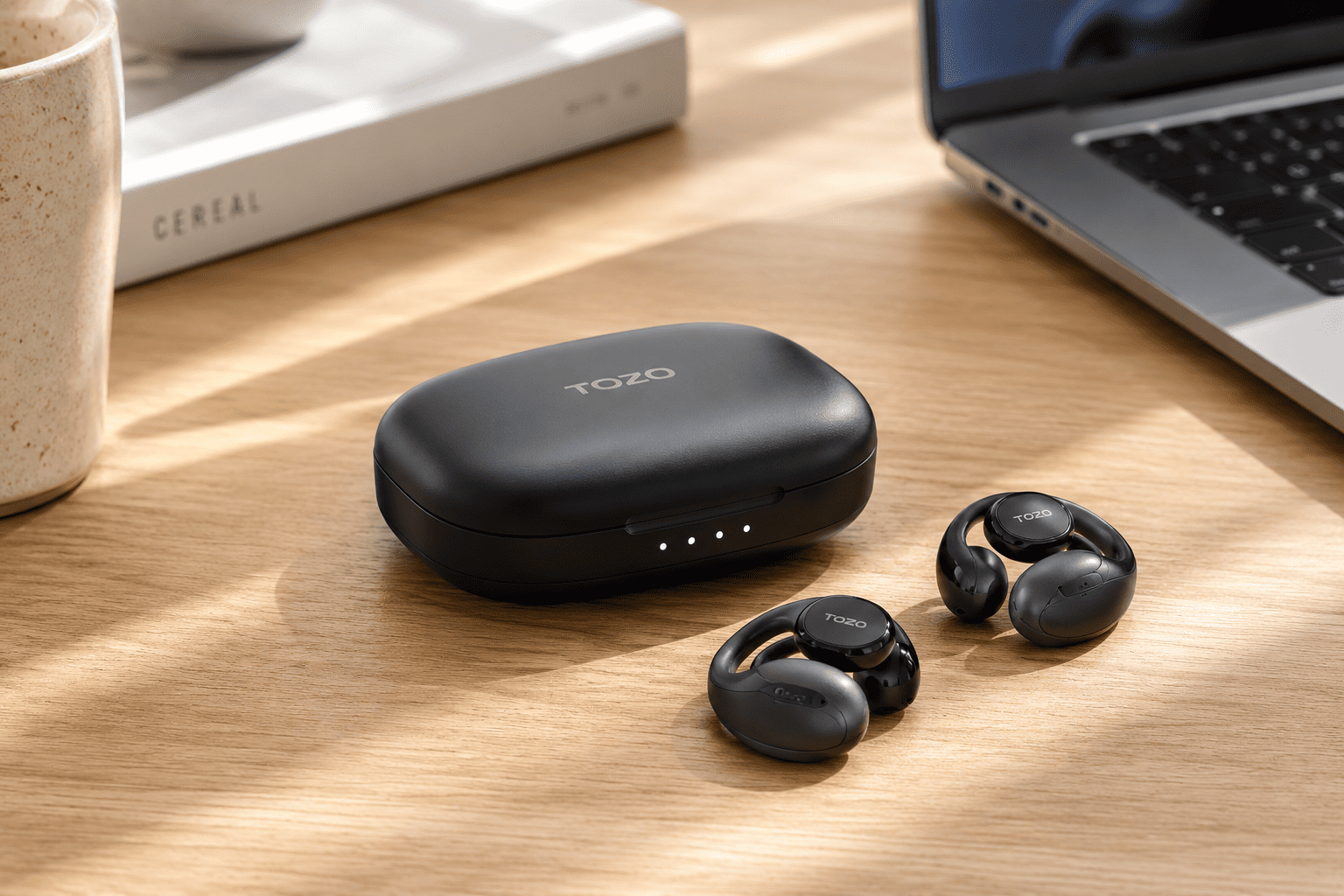
If your ears regularly become sore after wearing traditional earbuds, the TOZO OpenEarRing offers a refreshing alternative. At around $27, it’s an affordable option that focuses almost entirely on long-term comfort.
Instead of sitting inside the ear canal, the OpenEarRing uses a lightweight clip-on design that rests gently around the ear. Because nothing presses deep into your ears, pressure points are dramatically reduced, making these earbuds much easier to wear for several hours at a time.
This design also keeps your ears open to surrounding sounds, which is useful when walking outdoors, working in an office, or exercising. You’ll still hear your music while remaining aware of conversations, traffic, or other important environmental sounds.
Despite the open design, the earbuds provide a stable fit that stays secure during workouts, walking, and daily activities. Bluetooth 5.4 ensures a reliable wireless connection, while the charging case offers up to 40 hours of total battery life.
The TOZO OpenEarRing is an excellent choice if you:
- Experience pain from in-ear earbuds
- Want maximum comfort for long listening sessions
- Exercise or walk outdoors regularly
- Prefer staying aware of your surroundings
- Need an affordable everyday option
For anyone who has struggled with ear fatigue, this open ear design can feel like a completely different listening experience.
2
TOZO NC9 Hybrid ANC: Best Traditional Earbuds for Comfort
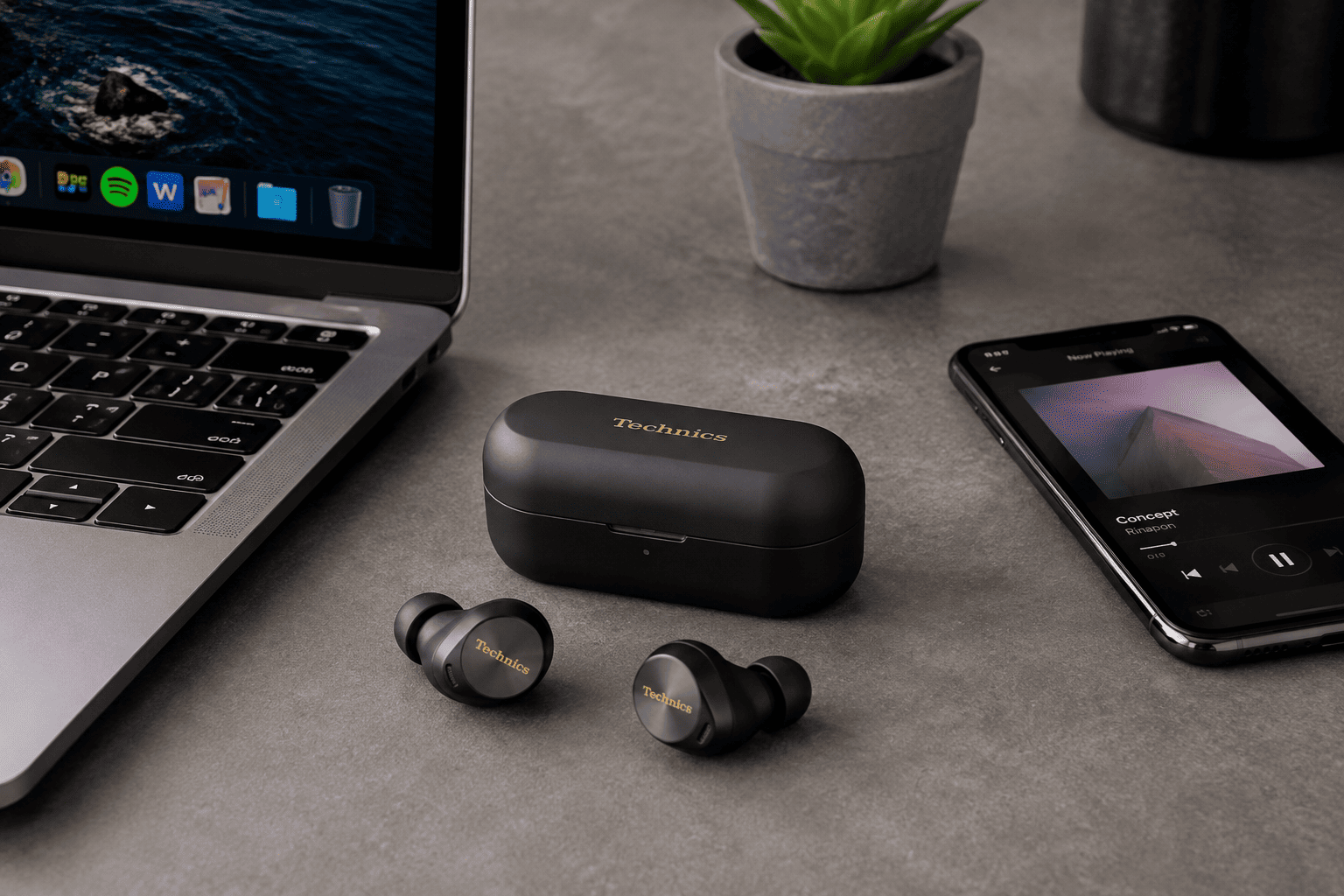
Not everyone wants to give up the immersive sound and noise isolation of traditional earbuds. If that’s you, the TOZO NC9 Hybrid Active Noise Cancelling Earbuds strike a nice balance between comfort and performance, all for around $28.
The NC9 features an ergonomic in-ear design with multiple ear tip sizes, allowing you to find a fit that feels secure without excessive pressure. Once properly fitted, they remain comfortable through long listening sessions while also creating an effective seal for better sound quality.
Hybrid Active Noise Cancelling helps reduce background noise during commuting, travel, or office work, making it easier to enjoy music and podcasts at lower volume levels. The earbuds also include six microphones with Environmental Noise Cancellation for clearer voice calls.
Battery life is another highlight. With the charging case, you get up to 60 hours of total playback, making them an excellent companion for everyday use.
The TOZO NC9 is a great choice if you:
- Prefer traditional in-ear earbuds
- Want active noise cancelling
- Need long battery life
- Enjoy immersive sound with good bass
- Want strong value without spending much
For listeners who enjoy the benefits of sealed earbuds but still want a comfortable fit, the NC9 offers an impressive combination of features for its price.
Buying Guide: How to Avoid Ear Pain When Buying Earbuds
Choosing the right earbuds starts with understanding your own ears.
Here are the features worth paying attention to before making a purchase.
Choose the Right Style
If traditional earbuds consistently cause discomfort, don’t keep forcing them to work. Open ear models or earbuds with ear hooks may be a much better fit.
Check for Multiple Ear Tips
A variety of ear tip sizes increases your chances of finding a comfortable seal that doesn’t create unnecessary pressure.
Consider Weight
Lightweight earbuds generally remain more comfortable during extended listening sessions.
Think About Your Daily Activities
If you spend most of your day at a desk, comfort should take priority. If you travel frequently, features like active noise cancellation may be more important.
Read Comfort Reviews
Audio quality is important, but comfort is highly personal. Reading reviews from people with similar needs can help you avoid buying earbuds that become painful after only a short time.
Final Thoughts
Earbuds shouldn’t hurt your ears. If they do, the problem is usually related to fit, ear tip size, wearing habits, or choosing a design that doesn’t match your ears.
Making small changes, like switching ear tips, taking regular listening breaks, or wearing your earbuds more naturally, often solves the problem. If discomfort continues, changing to a different earbud style may be the best solution.
If your top priority is all-day comfort with minimal pressure on your ears, the TOZO OpenEarRing is an excellent choice thanks to its lightweight open ear design.
If you prefer the immersive sound and noise isolation of traditional earbuds while still maintaining a comfortable fit, the TOZO NC9 Hybrid ANC delivers excellent value with active noise cancellation, long battery life, and a well-designed ergonomic fit.
The most comfortable earbuds are the ones that fit your ears properly. Once you find that match, listening becomes something you enjoy rather than something you have to tolerate.