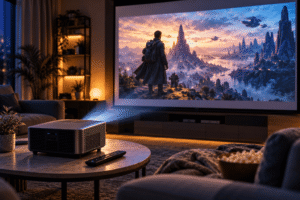
Choosing between Klipsch and Sonos is not just about picking a speaker brand. These two companies approach home audio from completely different directions.
Klipsch focuses on traditional speaker engineering, powerful sound, and customizable home theater systems. Sonos focuses on convenience, wireless connectivity, and creating a simple multi-room audio experience.
Affiliate Disclaimer
This website participates in affiliate programs. We may earn a commission
when you purchase products through links on this page, at no additional
cost to you. Our recommendations are based on independent research and
honest opinions.
Both brands have strong reputations, but they are built for different types of listeners. If you want deep movie impact, detailed music playback, and the ability to build a dedicated speaker system, Klipsch offers a more traditional audio experience. If you want speakers that are easy to place around your home and control from your phone, Sonos takes a different approach.
In this guide, I’ll compare Klipsch vs Sonos in terms of sound quality, setup, flexibility, home theater performance, and long-term value. I’ll also look at two Klipsch speakers that represent what the brand does best: the R-41SA height/elevation speakers and the Reference R-25C center channel speaker.
Klipsch vs Sonos: The Main Difference
The biggest difference between Klipsch and Sonos is the way they are designed to be used.
Klipsch is a traditional speaker company. Many of its products are passive speakers that connect to receivers, amplifiers, and other home audio equipment. This gives you more control over your system, but it also requires more planning.
Sonos is built around simplicity. Most Sonos speakers are wireless and designed to work together through the Sonos app. You can place speakers in different rooms, control everything from your phone, and expand your setup over time without running traditional speaker cables.
In simple terms:
- Klipsch: Better suited for custom audio setups, home theaters, and people who care deeply about speaker performance.
- Sonos: Better suited for convenient wireless audio and easy multi-room listening.
Neither approach is automatically better. The right choice depends on what kind of experience you want.
Sound Quality: Klipsch vs Sonos
Sound quality is usually the biggest reason people compare these brands.
Klipsch has a long history of focusing on high-efficiency speakers and dynamic sound. Many Klipsch models use horn-loaded tweeters, which are designed to deliver clear high frequencies and strong sound projection.
This creates a sound profile that many listeners describe as energetic and detailed. Movies can feel more dramatic, vocals can stand out clearly, and music can have more impact.
Sonos takes a different approach. Its speakers are designed to deliver balanced sound from compact wireless designs. The company focuses heavily on tuning, software processing, and creating consistent sound across different products.
For everyday listening, Sonos can be impressive because it combines convenience with good sound quality. However, dedicated Klipsch speakers generally offer more physical scale and traditional speaker performance when paired with the right equipment.
Setup and Ease of Use
This is where Sonos has a clear advantage.
A Sonos system is designed for people who do not want to spend hours adjusting equipment. Most speakers connect through Wi-Fi, and the Sonos app handles setup, grouping, and control.
This makes Sonos appealing for:
- Apartments
- Multi-room audio
- People who want minimal cables
- Simple music streaming setups
Klipsch systems usually require more involvement. Depending on the speaker, you may need:
- An AV receiver
- Speaker cables
- Proper placement
- Room adjustments
The benefit is more flexibility. You can choose your amplifier, upgrade individual components, and create a system that matches your preferences.
Home Theater Performance
For movies and TV, both brands can perform well, but they target different users.
Sonos has become popular for compact home theater setups. A soundbar, subwoofer, and surround speakers can create a clean wireless system without complicated installation.
Klipsch takes a more traditional cinema approach. Its speakers are designed to create a larger soundstage with more physical impact.
A dedicated Klipsch home theater setup can offer:
- Stronger room-filling sound
- More powerful dynamics
- Better customization options
- Greater upgrade flexibility
For someone building a serious movie room, traditional speakers often provide more control. For someone who wants a cleaner living room setup, Sonos can be more convenient.
Smart Features and Wireless Experience
Modern speakers are not only about sound anymore. Connectivity matters too.
Sonos has built much of its reputation around wireless features. Its ecosystem allows you to connect multiple speakers, control playback, and move audio between rooms easily.
Common Sonos advantages include:
- Simple app control
- Wireless speaker grouping
- Multi-room listening
- Easy expansion
Klipsch traditionally focuses more on the speaker itself rather than software features. Some Klipsch products include modern connectivity options, but the brand is primarily known for audio hardware rather than a wireless ecosystem.
Which Brand Offers Better Long-Term Value?
Long-term value depends on what you expect from your speakers.
A Sonos system can be valuable because it is easy to expand. You can start with one speaker and gradually add more throughout your home.
Klipsch can offer long-term value because traditional speakers can last many years and remain useful even as you upgrade other parts of your system.
A well-built passive speaker does not become outdated in the same way some smart devices can. You can often replace receivers or add new components while keeping your speakers.
Consider:
- Do you want convenience or customization?
- Do you prefer wireless simplicity or traditional audio quality?
- Are you building a serious setup or just improving everyday listening?
These questions matter more than the brand name alone.
Who Should Choose Klipsch?
Klipsch is a better match for someone who enjoys controlling their audio setup and wants a more traditional listening experience.
You may prefer Klipsch if you:
- Want a dedicated home theater
- Enjoy detailed music listening
- Want stronger sound impact
- Like upgrading individual components
- Prefer physical speakers over compact wireless designs
Klipsch is especially appealing to people who see speakers as part of a long-term entertainment setup rather than just another smart home device.
Who Should Choose Sonos?
Sonos makes more sense for people who value simplicity.
You may prefer Sonos if you:
- Want wireless speakers around your home
- Prefer app-based control
- Do not want complicated installation
- Want a clean, minimal setup
- Plan to add speakers gradually
For many households, the convenience of Sonos is the main attraction.
Where Klipsch Fits Into a Modern Home Audio Setup
Although wireless speakers have become more popular, traditional speaker systems still have an important place. Many people who enjoy movies, music, and gaming still prefer the sound and flexibility of dedicated speakers.
Klipsch’s R-series products are designed for this type of listener. Instead of replacing everything with a single compact device, they allow you to build a system where each speaker has a specific role.
Two examples are the Klipsch R-41SA height speakers and the Reference R-25C center channel speaker.
1
Klipsch R-41SA Powerful Detailed Home Speaker Set of 2
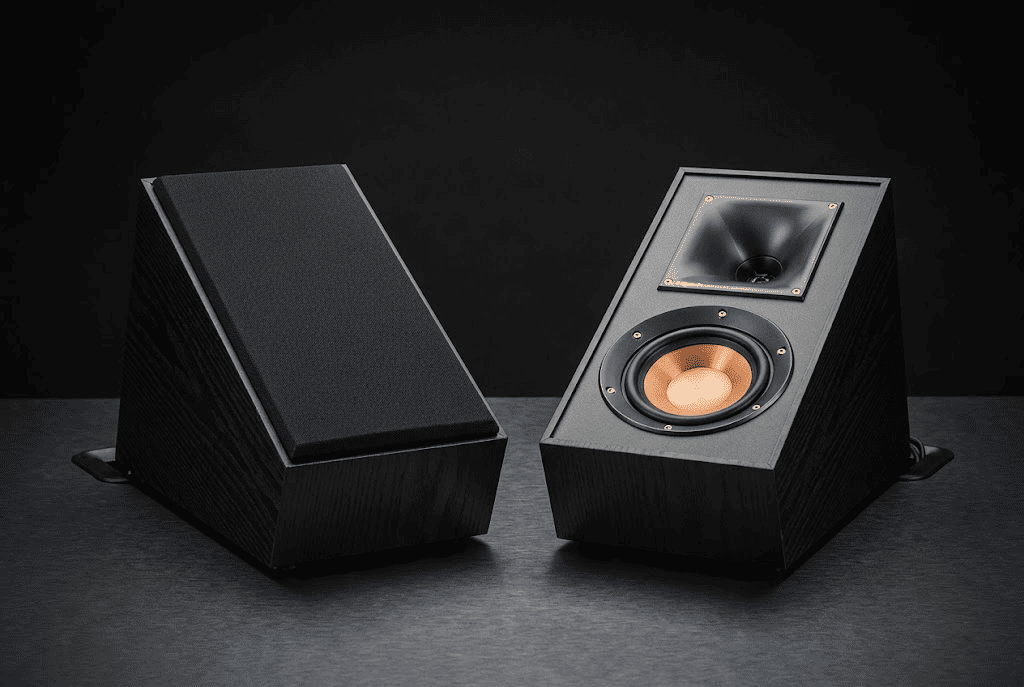
The Klipsch R-41SA Powerful Detailed Home Speaker Set of 2 is designed for people who want to add height effects and create a more immersive home theater experience.
These speakers are different from traditional bookshelf speakers because they are designed for flexible placement. They can be used on compatible tower or bookshelf speakers for reflected height effects or mounted on walls as elevation or surround speakers.
This makes them useful for Dolby Atmos-style setups where sound comes from different directions instead of only from the front and sides.
Key features include:
- Pair of height/elevation speakers
- Designed for reflected height effects
- Can be used as wall-mounted elevation or surround speakers
- Compact design for flexible placement
- Klipsch speaker technology for detailed sound
At around $159.99, the R-41SA provides an affordable way to expand an existing home theater system without replacing your main speakers.
The biggest advantage is flexibility. Instead of being limited to one position, these speakers can adapt depending on your room layout and audio goals.
They are not designed as a complete standalone speaker system. They work best as part of a larger setup where they add extra dimension and immersion.
If you already have a Klipsch system or are building a dedicated home theater, the R-41SA is a practical addition for creating a more cinematic listening experience.
2
Klipsch Reference R-25C Reference Two-Way Center Channel Speaker
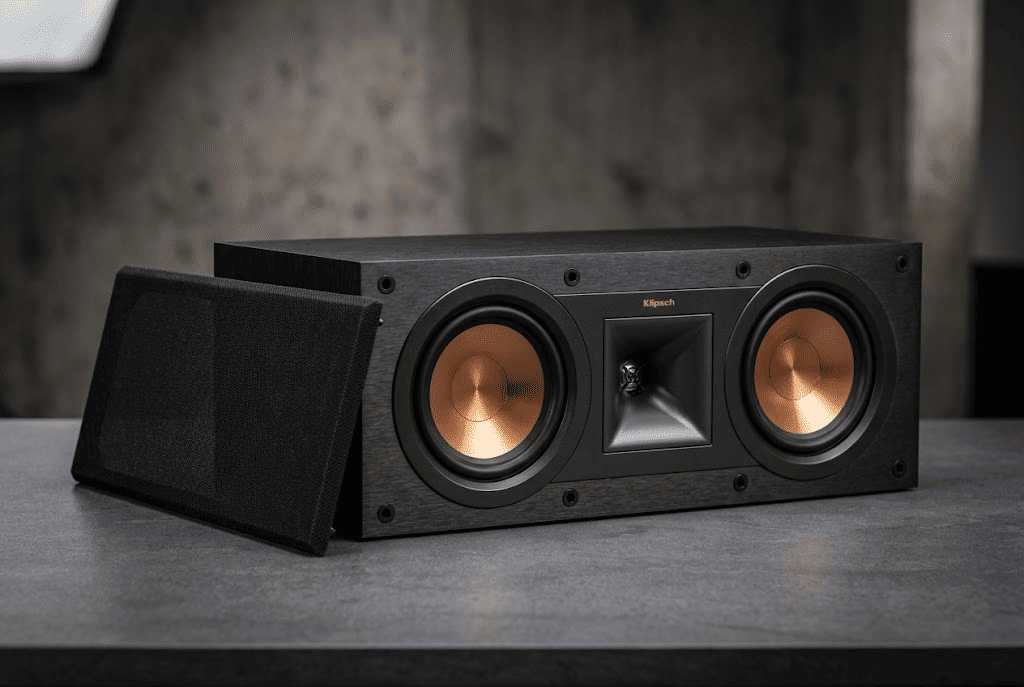
The Klipsch Reference R-25C Center Channel Speaker is built for one of the most important roles in a home theater system: delivering clear dialogue.
The center channel speaker handles much of the speech you hear in movies and TV shows. A good center speaker helps voices sound clearer, especially during action scenes where background effects and music can compete with dialogue.
The R-25C uses Klipsch’s Reference design approach, focusing on detailed sound and strong output. It is designed to work as part of a larger surround sound system.
Important features include:
- Two-way center channel speaker design
- Designed for home theater setups
- Built for clearer dialogue reproduction
- Reference series speaker technology
- Up to 400W peak power handling
At around $149, the R-25C is positioned as an accessible center speaker for people building or upgrading a home theater system.
Its main purpose is not to replace a full speaker setup but to improve one of the most important parts of movie audio: conversations and front-channel effects.
For anyone creating a Klipsch-based theater system, a dedicated center speaker like the R-25C can make movies feel more balanced and easier to follow.
Final Thoughts
Klipsch and Sonos both make excellent speakers, but they solve different problems.
Sonos is built around convenience. It is ideal if you want wireless speakers, simple setup, and easy control throughout your home.
Klipsch is built around traditional audio performance. It is a better fit if you want a customizable system, stronger home theater impact, and more control over your equipment.
If you are building a serious movie setup, speakers like the Klipsch R-41SA and Reference R-25C show why traditional audio systems still matter. They allow you to create a setup that matches your room and listening preferences.
For someone who wants the easiest experience, Sonos is worth considering. For someone who enjoys building an audio system and wants more flexibility, Klipsch offers a different level of control. The best choice comes down to whether you value simplicity or customization more.