Apple’s new Apple Upgrade program gives you another way to get the latest iPhone without paying the full price upfront. Instead of buying your phone outright or financing it through a traditional loan, you lease an eligible device with monthly payments and can upgrade to a newer model when you’re eligible. The program is offered through Klarna and is available for iPhones, iPads, Macs, and Apple Watches in the United States, subject to eligibility and approval.
Affiliate Disclaimer
This website participates in affiliate programs. We may earn a commission
when you purchase products through links on this page, at no additional
cost to you. Our recommendations are based on independent research and
honest opinions.
At first glance, leasing sounds appealing. Smaller monthly payments, the latest Apple devices, and an easy upgrade process can be attractive if you enjoy having new technology every year or two. But leasing isn’t always the most cost-effective option, especially if you tend to keep your phone for several years.
In this guide, we’ll explain exactly how Apple Upgrade works, compare it with buying an iPhone outright, and help you decide which option makes the most financial sense.
What Is Apple Upgrade?
Apple Upgrade is a device leasing program, not a purchase plan or traditional financing. Instead of owning your iPhone from day one, you lease it for a fixed term while making monthly payments.
The program currently covers eligible:
- iPhones
- iPads
- Mac computers
- Apple Watches
For iPhones, you can choose either a 12-month or 24-month lease, depending on the model you select. When your lease ends, you can return the device and upgrade to a newer model, purchase the device if your lease allows it, or end the lease according to the program’s terms.
Unlike the older iPhone Upgrade Program, Apple Upgrade is based on leasing through Klarna, with approval depending on eligibility and creditworthiness.
How Apple Upgrade Works
The process is fairly straightforward.
First, you choose an eligible Apple device and select a lease term. For iPhones, that’s either 12 or 24 months.
Once approved, you begin making monthly lease payments. Apple also allows eligible trade-ins when enrolling, which may reduce your monthly payment on the initial lease.
When you’re eligible for an upgrade, Apple will notify you. You can then begin a new lease for another eligible device and return your current one in good working condition. Apple even provides a prepaid return kit, or you can return the device at an Apple Store.
If you want to upgrade before you’re eligible, Apple says that’s also possible, although an early upgrade fee may apply depending on how much time remains on your lease.
Who Is Eligible?
Apple Upgrade is currently available only in the United States, excluding U.S. territories.
To qualify, you’ll generally need to:
- Be at least 18 years old, or the legal age in your state
- Be a U.S. resident
- Have an Apple Account in good standing
- Have a Klarna account
- Have an accepted credit or debit card
- Pass Klarna’s approval process
For iPhone leases, you’ll also need to choose an eligible wireless carrier when leasing the device. However, the leased iPhone itself remains unlocked, allowing you to switch carriers later if your carrier’s policies allow it.
The Biggest Advantages of Apple Upgrade
For the right person, Apple Upgrade offers several appealing benefits.
The most obvious is lower upfront cost. Instead of paying over a thousand dollars immediately, you spread the cost into smaller monthly payments.
The program also makes upgrading easier. Rather than selling your old phone yourself, Apple guides you through the upgrade process once you’re eligible.
Another benefit is flexibility. If you enjoy having the newest iPhone every year or two, leasing removes much of the hassle involved with reselling your previous device.
Apple also lets you add AppleCare when you enroll. Besides protecting your device against accidental damage, Apple notes that having AppleCare can make returning the leased device easier because it’s protected against common accidents like drops and spills.
The Downsides You Should Know
Leasing isn’t perfect, and there are a few important details many people overlook.
The biggest difference is ownership.
When you lease an iPhone, you don’t automatically own it at the end of the lease. Unless you purchase the device according to your lease agreement, it remains Apple’s property and must be returned.
Another consideration is the device’s condition. Apple expects leased devices to be returned in good working condition. If there’s excessive damage, additional fees may apply.
Ending the lease early can also become expensive. Depending on how much time remains, Apple states that substantial fees may apply if you terminate your lease before the original term ends.
Finally, if you simply continue using the device without upgrading, purchasing it, or ending the lease, the agreement may convert into a month-to-month lease for a limited period before additional purchase charges apply.
Buying an iPhone Outright: The Alternative
Buying your iPhone outright works very differently.
Once you’ve paid for the device, it’s yours. You can keep it for three, four, or even five years without worrying about lease terms or return conditions.
You also have complete freedom to sell it whenever you want, trade it in, or give it to a family member.
Although the initial cost is much higher, many people actually spend less over the long term because they keep their phones longer instead of upgrading every year.
For users who rarely feel the need to own the newest iPhone, purchasing outright often provides better overall value.
So, Who Should Consider Apple Upgrade?
Apple Upgrade makes the most sense for people who genuinely enjoy upgrading to the newest iPhone every year or two. The predictable monthly payments, simple upgrade process, and ability to return the previous device remove much of the hassle associated with selling an old phone privately.
On the other hand, if you’re someone who typically keeps an iPhone until the battery starts showing its age or software support eventually ends, leasing may not provide the best value. In those cases, buying the phone outright or purchasing a high-quality unlocked model can often save money over time while giving you complete ownership.
That’s especially true if you’re comfortable buying professionally renewed devices. A certified renewed iPhone can deliver nearly the same everyday experience as a brand new model at a noticeably lower price.
Recommended Alternatives to Leasing
If you’ve decided that leasing isn’t the right fit, buying an unlocked iPhone can be a smart alternative. While the upfront cost is higher than monthly lease payments, you own the device from day one. That means you can keep it for as long as you like, sell it whenever you’re ready to upgrade, or trade it in on your own terms.
Professionally renewed iPhones are especially worth considering. They typically cost less than brand new models while still delivering the same performance, cameras, and software experience most people expect from a flagship iPhone.
Here are two options that offer different levels of storage depending on your needs.
1
Apple iPhone 17 Pro Max (Renewed) 256GB

If you’re looking for the best balance between storage capacity and price, the Apple iPhone 17 Pro Max (Renewed) 256GB is an excellent choice.
With 256GB of storage, there’s plenty of room for photos, videos, apps, games, and offline downloads without constantly worrying about running out of space. For most people, this capacity is more than enough for everyday use over several years.
Because it’s factory unlocked, you’re free to use it with compatible carriers without being tied to a long-term contract. It also supports eSIM, making activation with supported carriers quick and convenient.
Choosing a professionally renewed model can significantly reduce the overall purchase price while still giving you access to Apple’s latest hardware, premium cameras, excellent battery life, and long software support.
For buyers who normally upgrade every three to five years, purchasing this model outright can often provide better long-term value than entering a lease program.
2
Apple iPhone 17 Pro Max (Renewed) 2TB
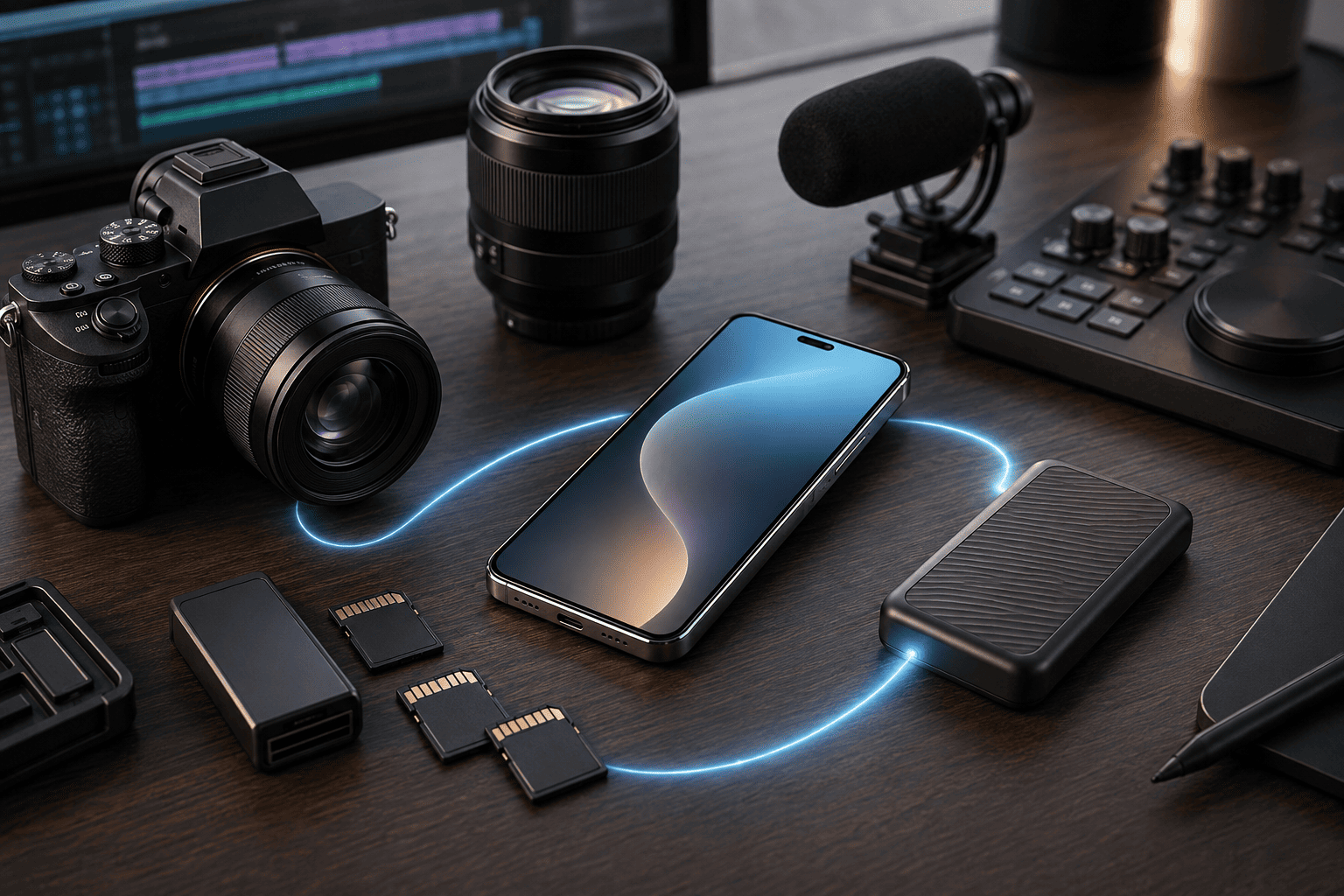
If you regularly shoot ProRes videos, record high-resolution content, or keep a massive media library on your phone, the Apple iPhone 17 Pro Max (Renewed) 2TB offers an enormous amount of storage.
The 2TB capacity is ideal for content creators, photographers, mobile filmmakers, and professionals who prefer keeping everything locally rather than relying on cloud storage. Even large video projects and thousands of high-resolution photos leave plenty of room for additional files.
Like the 256GB model, it’s an unlocked U.S. version with eSIM support, giving you flexibility when choosing or changing compatible carriers.
Although the larger storage configuration comes at a higher price, buying it outright can still make financial sense if you plan to use the phone for several years. Instead of making lease payments and eventually returning the device, you retain full ownership and can resell it whenever you decide to upgrade.
What to Consider Before Choosing
The right option depends less on the phone itself and more on how you typically use and replace your devices.
If you enjoy having the newest iPhone every year or two and don’t mind making monthly payments, Apple’s leasing program offers a convenient upgrade path. Just remember that you’re leasing the device, not purchasing it, and returning it in good condition is part of the agreement.
If you usually keep your phone for several years, buying outright is often the more economical choice. Once you’ve paid for the device, there are no lease terms, return requirements, or end-of-lease decisions to worry about.
Storage is another important consideration. For most people, 256GB provides more than enough room for everyday apps, photos, videos, and downloads. A 2TB model is best suited for people who create large amounts of content or need substantial local storage for professional work.
Finally, don’t overlook the value of renewed devices. Purchasing a professionally renewed unlocked iPhone can reduce your upfront cost while still giving you a premium Apple experience.
Final Thoughts
Apple Upgrade offers a fresh approach to getting the latest Apple devices with manageable monthly payments and a straightforward upgrade process. For people who enjoy switching to a new iPhone every year or two, it can be a convenient option, especially since Apple handles much of the upgrade experience and allows eligible trade-ins to reduce initial payments.
That said, leasing isn’t automatically the best financial decision. Since you don’t own the device unless you purchase it according to your lease agreement, people who tend to keep their phones for several years will often get better long-term value by buying outright.
If ownership matters to you, a renewed unlocked iPhone 17 Pro Max 256GB is an excellent choice for most users, offering plenty of storage and the freedom to use the phone for as long as you like. If you’re a professional creator or someone who stores massive amounts of media, the 2TB version provides exceptional capacity while still giving you the same flexibility that comes with owning your device.
Ultimately, the best choice comes down to your upgrade habits. If you always want Apple’s newest hardware, leasing may fit your lifestyle. If you value ownership and long-term savings, buying your iPhone outright is usually the smarter investment.