Your phone goes almost everywhere with you, which means its screen is constantly exposed to scratches, drops, and accidental impacts. A single fall onto concrete can leave you with a spiderweb of cracks, while something as simple as carrying your phone in the same pocket as your keys can create permanent scratches over time.
Affiliate Disclaimer
This website participates in affiliate programs. We may earn a commission
when you purchase products through links on this page, at no additional
cost to you. Our recommendations are based on independent research and
honest opinions.
The good news is that preventing screen damage is much easier and far less expensive than replacing a display. A few smart habits and the right accessories can keep your phone looking new for years. In this guide, you’ll learn what causes screen damage, how to reduce the risk of cracks and scratches, and when it’s worth investing in extra protection.
Why Phone Screens Crack and Scratch
Modern smartphones use durable glass, such as Gorilla Glass or Apple’s Ceramic Shield, but no screen is completely damage-proof. Manufacturers have made impressive improvements over the years, yet every glass display has limits.
Cracks usually happen because of sudden impacts. Dropping your phone onto tile, asphalt, or concrete creates a concentrated force that the glass can’t always absorb. The angle of the fall matters too. A phone landing directly on its corner often suffers more damage than one landing flat on its back.
Scratches are different. They build up gradually from everyday use. Coins, keys, grains of sand, and other hard materials can leave tiny marks that become more noticeable over time. While small scratches may not affect how your phone works, they can reduce screen clarity and make the device look older than it really is.
Heat and pressure can also contribute to screen damage. Sitting on your phone while it’s in your back pocket or leaving it inside a hot car for long periods may increase stress on both the display and the frame.
Are Modern Phone Screens Really Scratch Resistant?
Many people assume that because manufacturers advertise stronger glass, they no longer need a screen protector. That’s only partly true.
Today’s smartphone displays are much tougher than those from several years ago. They resist minor scratches better and can survive everyday bumps more easily. However, improving drop resistance often means making the glass slightly softer, which can actually make it more susceptible to fine scratches.
Materials like sand are a good example. Tiny grains often contain quartz, which is harder than many phone screens. That’s why placing your phone face down at the beach or on certain rough surfaces can leave visible marks surprisingly quickly.
In other words, modern phones are more durable than ever, but they’re not indestructible.
The Best Ways to Prevent Screen Damage
The easiest way to protect your phone is by combining good habits with a little extra protection. Most cracked screens happen because of everyday accidents that could have been avoided.
Use a Quality Phone Case
A good case protects more than just the back of your phone.
Many cases include raised edges around the display. These slightly elevated borders help keep the screen from making direct contact with the ground if the phone lands face down.
Look for a case that fits securely without adding unnecessary bulk. Slim cases work well for everyday use, while rugged cases provide additional protection if you spend a lot of time outdoors or on job sites.
Keep Your Phone Separate From Hard Objects
One of the simplest habits is also one of the most effective.
Avoid placing your phone in the same pocket or bag compartment as keys, loose coins, metal tools, or other hard objects. Over time, repeated contact can create fine scratches that become impossible to remove.
Giving your phone its own pocket takes almost no effort and helps preserve the display.
Don’t Place Your Phone Face Down
Many people instinctively set their phone face down on tables to avoid notifications or protect the camera.
Unfortunately, rough surfaces can scratch the display, especially if dust or tiny particles are trapped underneath.
Whenever possible, place your phone screen side up or on a clean, smooth surface.
Be Careful Near Concrete and Tile Floors
Not every surface poses the same level of risk.
Carpet, wood flooring, and grass often absorb part of an impact. Concrete, stone, and ceramic tile usually do not. A drop onto one of these hard surfaces has a much higher chance of cracking the display.
Simply paying extra attention when using your phone over these surfaces can prevent expensive repairs.
Cleaning Your Screen Without Damaging It
Keeping your screen clean isn’t just about appearance. Dirt and debris can create tiny scratches if wiped across the glass incorrectly.
Start by using a clean microfiber cloth. These cloths are designed to lift fingerprints and dust without scratching the surface. If your screen has stubborn smudges, slightly dampen the cloth with water or use a cleaner specifically made for electronic displays.
Avoid paper towels, tissues, or rough fabrics. They may seem soft, but they can contain fibers that gradually wear down the screen’s protective coating.
Household cleaners are another common mistake. Products containing ammonia, bleach, or harsh chemicals can damage the oleophobic coating that helps resist fingerprints and oils.
Common Mistakes That Increase the Risk of Screen Damage
Some everyday habits seem harmless but actually make screen damage much more likely.
Using your phone while walking or rushing between places increases the chance of accidental drops. A brief distraction is often all it takes for a phone to slip from your hand.
Leaving your phone on the edge of a desk or table is another common mistake. A small bump from your arm, a pet, or even a charging cable can send it falling to the floor.
It’s also worth replacing damaged cases. A cracked or stretched-out case may no longer absorb impacts effectively, reducing the protection it once provided.
Finally, don’t ignore small chips along the edge of your screen. Tiny cracks can spread over time, especially after another drop or sudden temperature change.
Is a Screen Protector Really Worth It?
For many people, the answer is yes.
Even if your phone already uses durable glass, replacing a scratched or cracked screen is still one of the most expensive repairs you can face. A tempered glass screen protector acts as the first layer of defense, absorbing minor impacts and taking scratches that would otherwise reach your phone’s display.
The best part is that replacing a damaged screen protector costs only a fraction of what a new screen typically does. Instead of worrying every time your phone slips from your hand or slides across a table, you gain an extra layer of protection that’s inexpensive and easy to replace.
That’s why a quality screen protector is one of the first accessories many people buy with a new phone. It helps preserve the display from day one, keeping it cleaner, clearer, and in better condition for years.
Screen Protectors Worth Buying
Once you’ve built good habits, the next step is adding a physical layer of protection. A tempered glass screen protector won’t make your phone indestructible, but it can absorb the scratches and minor impacts that would otherwise damage your display.
The two options below come from the same trusted brand but are designed for different iPhone models.
1
Ailun 3 Pack Screen Protector for iPhone 16, iPhone 15, and iPhone 15 Pro
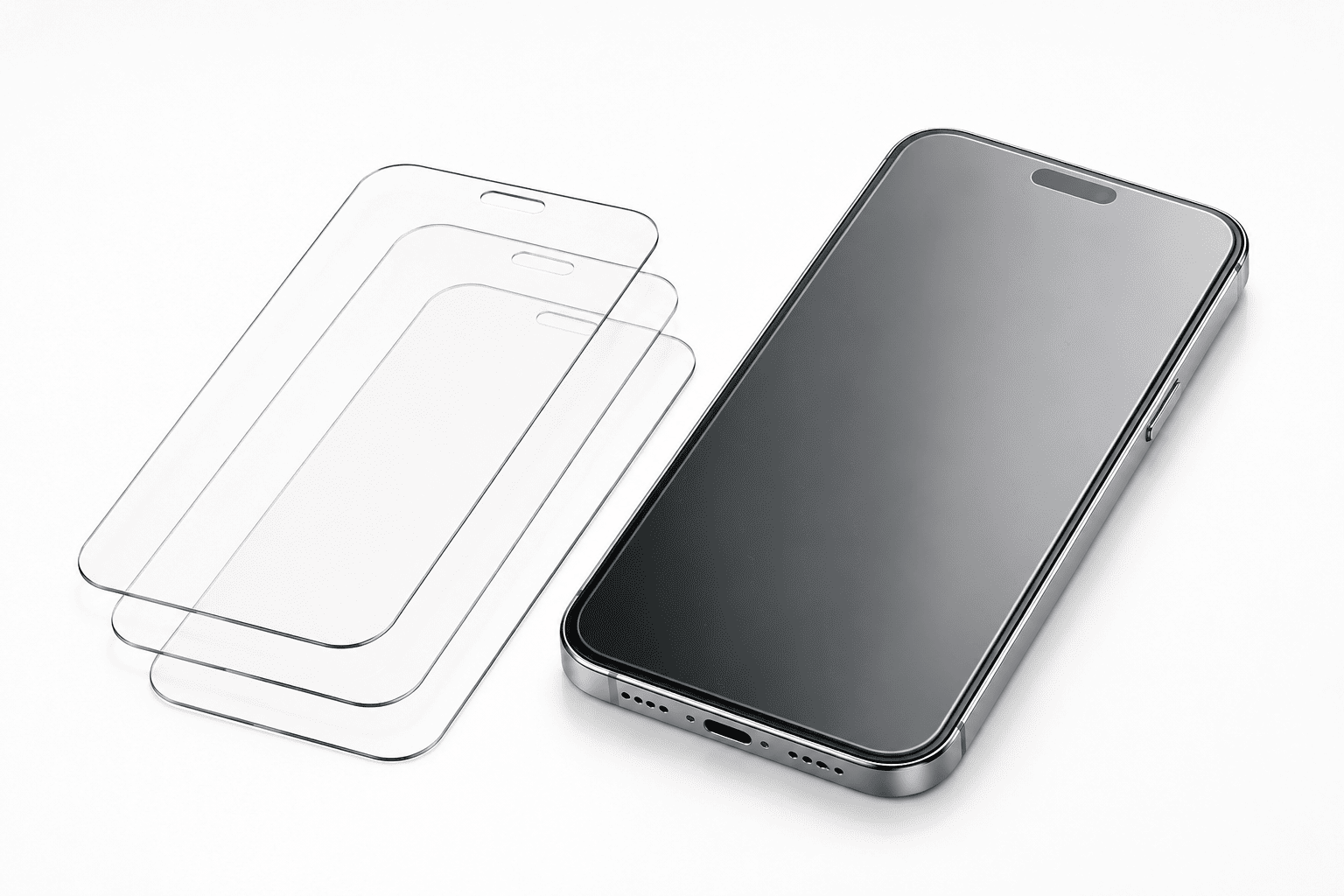
If you own an iPhone 15, iPhone 15 Pro, or iPhone 16 with a 6.1-inch display, the Ailun 3 Pack Screen Protector is one of the easiest recommendations to make.
The biggest advantage is value. Instead of receiving a single protector, you get three in one package, making it easy to replace one if it becomes scratched or chipped over time. Considering how inexpensive tempered glass protectors are compared to screen repairs, having extras on hand is always useful.
This protector is made from tempered glass, helping shield your display from everyday scratches caused by keys, coins, and other objects that commonly come into contact with your phone. It also maintains excellent touch sensitivity, so swiping, typing, and gaming continue to feel smooth and responsive.
Another nice feature is its Dynamic Island compatibility and case-friendly design. That means it works well with most protective cases without lifting around the edges, which is a common problem with poorly designed screen protectors.
At around $5.98 for a three-pack, it’s an affordable way to help keep your phone’s display looking like new.
2
Ailun 3 Pack Screen Protector for iPhone 17 and iPhone 16 Pro
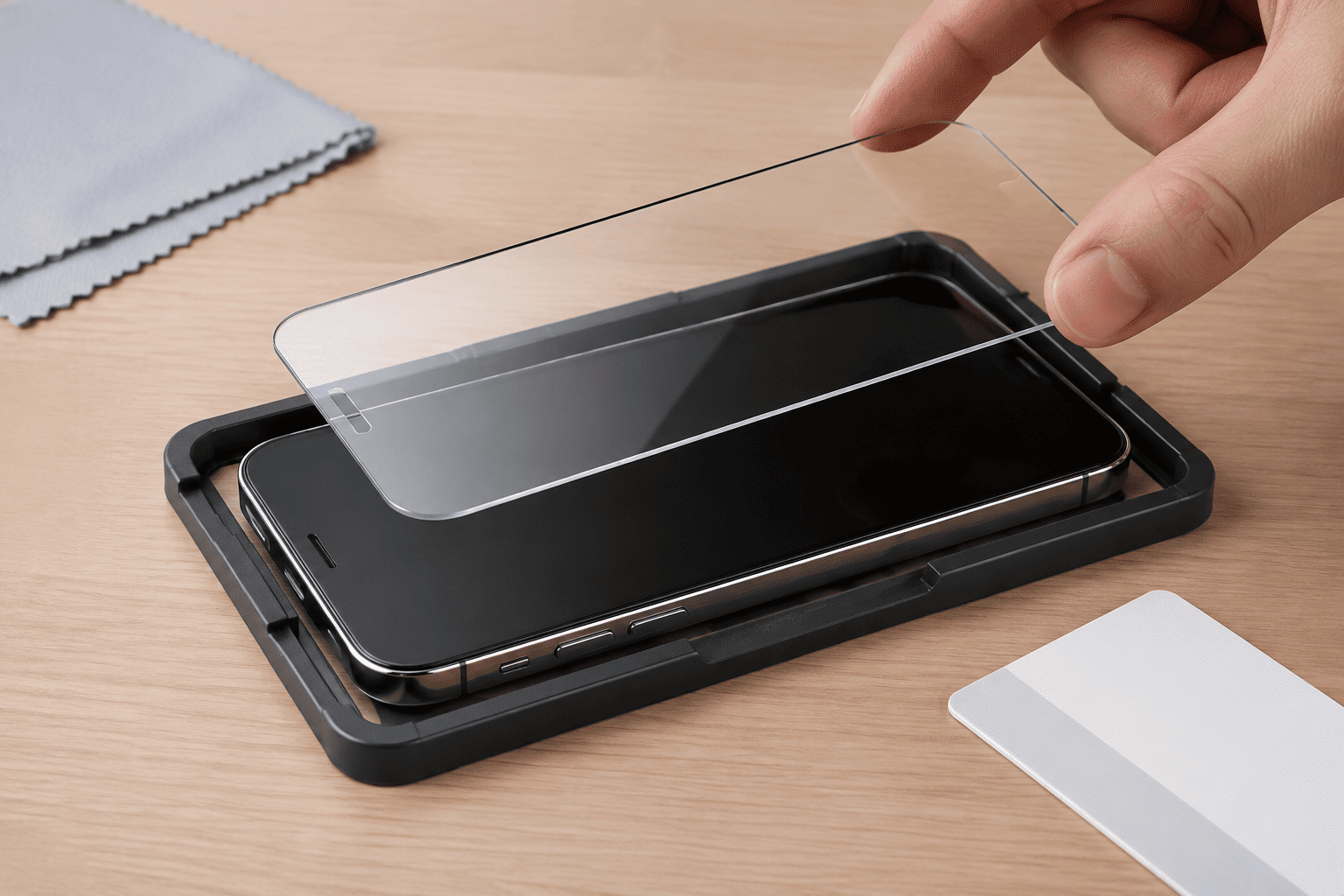
If you’re using the newer iPhone 17 or iPhone 16 Pro with the 6.3-inch display, Ailun’s 3 Pack Screen Protector offers many of the same benefits while adding one feature that makes installation much easier.
The included installation frame helps align the protector correctly on your first attempt. Anyone who’s struggled with crooked protectors or trapped air bubbles will appreciate how much simpler this makes the process.
Like the previous model, it uses tempered glass to protect against everyday scratches while preserving screen clarity and touch responsiveness. The protector is also fully compatible with Dynamic Island and works alongside most phone cases without interfering with edge coverage.
At around $6.99 for three protectors, it delivers excellent value. Even if you eventually need to replace one after a drop, you’ll still have two replacements ready without needing to order another pack.
For anyone planning to keep their new iPhone for several years, this is a small purchase that can help avoid much more expensive display repairs.
What to Look for in a Screen Protector
Choosing a screen protector isn’t complicated, but a few details make a noticeable difference.
Start with compatibility. Always buy a protector designed specifically for your iPhone model. Even a small difference in screen size or camera cutouts can affect the fit.
Tempered glass is generally the best option for most people. It feels much closer to the original display than plastic film protectors and provides better resistance against scratches and minor impacts.
Look for a case-friendly design if you already use a protective case. This prevents the edges from lifting every time you install or remove your case.
An installation frame is another feature worth considering. It helps position the protector correctly, reducing the chances of bubbles, dust, or uneven alignment.
Finally, consider buying multi packs instead of a single protector. Screen protectors are designed to take damage so your phone doesn’t have to. Having replacements available makes swapping one out quick and inexpensive.
Final Thoughts
No phone screen is completely immune to cracks or scratches. Even the toughest smartphone glass can be damaged by an unlucky drop or everyday wear. Fortunately, protecting your display doesn’t require expensive accessories or complicated maintenance.
Simple habits like keeping your phone away from keys, using a quality case, cleaning the screen correctly, and avoiding risky drops can significantly reduce the chances of damage. Adding a tempered glass screen protector provides another layer of protection that can save you from a costly screen replacement.
If you own an iPhone 15, iPhone 15 Pro, or iPhone 16, the Ailun 3 Pack Screen Protector offers excellent value and dependable everyday protection. For iPhone 17 and iPhone 16 Pro owners, the version with the installation frame makes applying the protector even easier while providing the same reliable defense against scratches and minor impacts.
Considering that a screen replacement can cost hundreds of dollars, spending less than ten dollars on a quality tempered glass screen protector is one of the smartest investments you can make for your phone.